Evaluating the 3D Logo Number 1 Template for Professional Brand Presentation
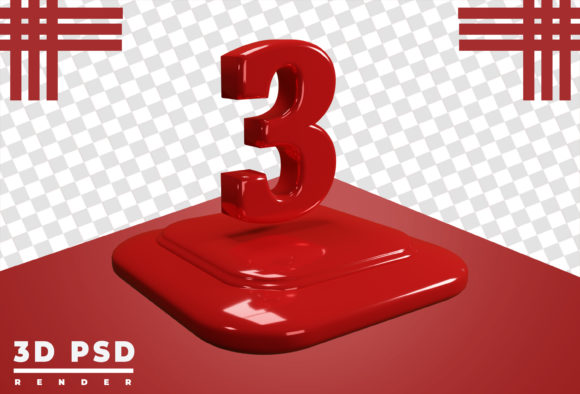
In the competitive landscape of digital marketing and interior design, visual presentation is often the deciding factor between a casual observer and a paying client. When introducing a new brand identity or showcasing artwork, flat images rarely convey the depth and realism required to secure trust. This is where the 3d Logo Number 1 Template emerges as a critical tool for professionals seeking to bridge the gap between digital concepts and physical reality. Unlike static mockups that rely on rigid overlays, this specific resource offers a dynamic solution designed to integrate seamlessly with complex workflows.
The core value of this template lies in its ability to simulate real-world environments without requiring advanced 3D modeling skills. By utilizing a layered Photoshop PSD format, it allows users to visualize how their designs perform within actual interiors. Whether you are an artist looking to sell canvas prints, a web designer updating a portfolio, or a social media manager curating content, the versatility of this tool provides a tangible sense of scale and context that flat files simply cannot achieve.
Technical Architecture and Workflow Efficiency
Understanding the technical underpinnings of the 3d Logo Number 1 Template reveals why it stands out among standard graphic resources. The file is distributed as a JPEG layered Photoshop PSD, which is the industry standard for high-fidelity editing. However, the true differentiator is the implementation of smart-object layers. These layers act as intelligent containers that preserve the integrity of your original artwork while allowing it to conform to the perspective and lighting of the mockup frame.
For designers who frequently manage multiple projects, the efficiency gains are significant. Traditional methods might involve manually warping images, adjusting layer masks, and correcting lighting angles—a process that can take hours per image. With this template, the workflow is streamlined into a few intuitive steps:
- Open the File: Launch the PSD file in Adobe Photoshop. The interface remains clean, avoiding cluttered menus that often slow down productivity.
- Access the Smart Object: Locate the thumbnail representing the smart-object layer and double-click it. This action opens a separate window dedicated solely to your content.
- Insert Your Artwork: Place your logo, photo, or design into this new window. You do not need to worry about aspect ratios or resolution limits at this stage.
- Automatic Adjustment: Upon saving the smart object, the main window updates instantly. The system automatically adjusts the canvas shape, ratio, and perspective to match your inserted image.
This automation eliminates the tedious trial-and-error process common in manual mockup creation. It ensures that the final output maintains a professional aesthetic regardless of the input dimensions, making it particularly useful for agencies handling diverse client requirements.
Comparing Approaches: Templates vs. Custom Modeling
When evaluating design tools, professionals often face a choice between using pre-made templates like the 3d Logo Number 1 Template and investing time in creating custom 3D scenes from scratch. While custom modeling offers unlimited creative freedom, it demands a steep learning curve and specialized software knowledge. For most small business owners, freelance artists, and marketing teams, the return on investment for custom modeling is often low unless the project involves unique architectural elements that no existing template can cover.
In contrast, the 3d Logo Number 1 Template represents a balanced approach that prioritizes speed and consistency. It is part of a broader category of "smart mockups" that have revolutionized how designers present work. Compared to generic overlay tools that merely flatten images onto backgrounds, this template utilizes depth cues and lighting simulations to create a convincing illusion of three-dimensionality. The frame canvas automatically adapts to the size and ratio of your artwork, ensuring that the presentation looks natural rather than forced.
However, this efficiency comes with specific tradeoffs. Because the template relies on a fixed background structure, users cannot alter the room's architecture or the furniture arrangement. If a client requires a visualization in a specific, highly detailed room that does not match the template's interior, this tool may fall short. In such scenarios, a custom render or a more flexible 3D environment would be necessary. Nevertheless, for standard presentations where the focus is on the artwork itself rather than the surrounding decor, the template offers superior performance.
Strategic Applications for Different Audiences
The utility of the 3d Logo Number 1 Template extends across various sectors, each leveraging the tool for distinct strategic advantages. Understanding these use cases helps determine whether this resource fits your specific needs.
Online Retailers and Print-on-Demand Services
For businesses selling canvas prints or framed art online, the primary challenge is helping customers visualize the product in their own homes. A flat image of a painting tells a customer nothing about how it will look hanging above a sofa or next to a window. By using this template, retailers can generate realistic lifestyle images that significantly boost conversion rates. The ability to display artwork in a real interior setting reduces purchase hesitation and provides a clearer expectation of the final product.
Bloggers and Content Creators
Visual content drives engagement on blogs and social media platforms. Standard screenshots of designs often fail to capture attention in crowded feeds. The 3d Logo Number 1 Template allows creators to elevate their posts by presenting logos and graphics as if they were part of a physical space. This adds a layer of sophistication to the content, signaling professionalism and attention to detail. Since the file works with all image sizes, creators can easily adapt the same template for Instagram stories, blog headers, or Pinterest pins without losing quality.
Freelance Designers and Agencies
Designers pitching concepts to clients often struggle to communicate the impact of their work. Presenting a logo on a white background is functional but lacks emotional resonance. Using this template to show a logo integrated into a modern office or a cozy living room helps clients connect emotionally with the brand identity. It transforms a abstract concept into a tangible asset, making the pitch more compelling and increasing the likelihood of approval.
Limitations and Decision Factors
While the 3d Logo Number 1 Template is a powerful asset, it is not a universal solution. Potential users must consider several factors before integrating it into their workflow. First, the requirement for Adobe Photoshop is a prerequisite. Users relying on free, browser-based editors or mobile apps will find this file inaccessible. Additionally, the fixed nature of the background means that customization is limited to the artwork itself. If your project requires changing the wall color, adding plants, or altering the furniture, this template will not suffice.
Furthermore, the effectiveness of the tool depends heavily on the quality of the source image. While the smart-object feature handles resizing gracefully, low-resolution inputs will result in pixelation when applied to the realistic textures of the frame and canvas. Therefore, it is essential to start with high-quality assets to ensure the final output meets professional standards.
When comparing this to other options, consider the volume of work. If you need to produce hundreds of variations daily, the automated adjustment features of this template save substantial time. Conversely, if you only need a single, highly bespoke image, the cost of acquiring and learning a full 3D suite might be justified. For the majority of users who need consistent, high-quality visuals quickly, the balance tips decisively toward the template approach.
Conclusion: Making the Right Choice
Selecting the right visualization tool is a decision that impacts both workflow efficiency and the quality of client communication. The 3d Logo Number 1 Template occupies a unique niche by combining the realism of 3D rendering with the simplicity of 2D editing. Its smart-object technology removes technical barriers, allowing creatives to focus on their art rather than the mechanics of presentation.
For those seeking to enhance their online shop, elevate their blog aesthetics, or impress clients with realistic interior integrations, this template offers a robust and reliable solution. While it may not replace the need for custom 3D modeling in every scenario, it serves as an indispensable resource for the vast majority of design and marketing tasks. By adopting this tool, professionals can ensure their work is presented in the best possible light, turning digital files into compelling visual stories that resonate with audiences.