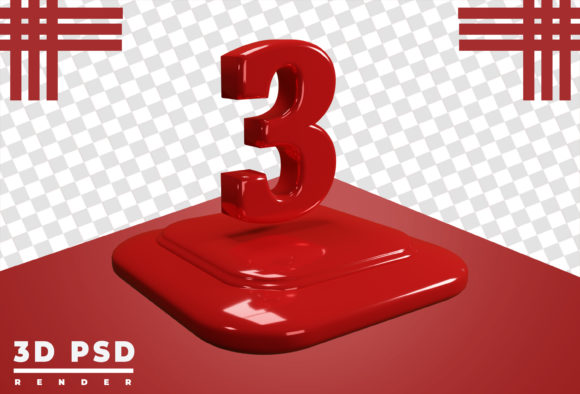
3D Logo Number 3 Template: A Practical Evaluation for Digital Designers
In the competitive landscape of digital marketing and e-commerce, visual presentation often dictates user engagement. A static image can convey information, but a realistic mockup provides context, scale, and emotional resonance. The 3D Logo Number 3 Template represents a specific tool designed to bridge the gap between flat digital artwork and tangible physical reality. This resource is primarily intended for designers, shop owners, and content creators who need to showcase their work within a realistic interior setting.
This evaluation explores the functionality, benefits, and practical applications of this template. It aims to help users determine if this specific asset aligns with their workflow requirements and design goals.
Understanding the Core Functionality
The fundamental purpose of the 3d Logo Number 3 Template is to serve as a high-fidelity container for digital assets. Unlike generic placeholders that simply overlay an image onto a background, this template utilizes advanced layering techniques to simulate how artwork interacts with light, shadow, and perspective in a real-world environment.
The product is delivered as a layered JPEG or Photoshop PSD file. The critical component of this file is the inclusion of smart-object layers. In Adobe Photoshop, a smart object acts as a container that allows non-destructive editing. When using this template, the user opens the file and locates the specific thumbnail representing the canvas or frame. Double-clicking this thumbnail opens a separate window where the user inserts their own image.
Once the new image is saved within this window, it automatically updates the main document. The system is designed to automatically adjust the aspect ratio and dimensions of the inserted image to fit the frame perfectly. This automation eliminates the manual resizing and warping processes that typically consume significant time during mockup creation.
Primary Use Cases and Benefits
Designers and business owners often seek this template to solve specific communication challenges. The following scenarios highlight where this tool offers distinct advantages:
- E-commerce Product Presentation: Online shoppers cannot physically touch a product before purchasing. By displaying a logo or artwork on a canvas print within a furnished room, sellers provide potential buyers with a clear visualization of scale and aesthetic compatibility. This reduces uncertainty and can improve conversion rates.
- Social Media Engagement: Visual platforms like Instagram and Pinterest rely heavily on high-quality imagery. Using a realistic mockup rather than a raw screenshot of a design makes social media posts appear more professional and polished, thereby increasing the likelihood of user interaction.
- Portfolio Development: For graphic designers presenting their services to clients, showing a finished product in a realistic setting demonstrates an understanding of end-user application. It elevates the perceived value of the designer's work from a simple file delivery to a comprehensive branding solution.
- Blog Content Enhancement: Bloggers discussing design trends or showcasing projects can use these templates to create engaging featured images that capture reader attention more effectively than standard graphics.
Technical Considerations and Workflow Integration
The efficiency of the 3d Logo Number 3 Template relies heavily on the user's familiarity with Adobe Photoshop. While the process of inserting an image is described as simple, it requires a baseline level of technical competence. Users must understand how to navigate layers, utilize smart objects, and manage file saving protocols.
The feature where the frame automatically adjusts to the size and ratio of the artwork is a significant time-saver. However, users should be aware of the limitations inherent in automated adjustments. If the source image has extreme dimensions that conflict with the architectural lines of the mockup, the result may require minor manual tweaking to look entirely natural. Furthermore, the quality of the final output depends on the resolution of the inserted image; low-resolution inputs will not benefit from the high-quality rendering of the template itself.
Tradeoffs and Limitations
While the template offers substantial utility, it is not without constraints. The primary limitation is the software dependency. This tool is optimized for the Adobe Photoshop ecosystem. Users working exclusively with free or browser-based editors may find this format incompatible without converting the file, which can degrade the smart-object functionality.
Additionally, the specificity of the "Number 3" theme implies a fixed aesthetic. If a project requires a minimalist white wall or a completely different lighting scenario, this specific template might not offer the versatility needed. The pre-set lighting and shadows are part of the template's charm, but they also mean the user cannot easily alter the environmental context without complex compositing skills.
Decision-Making Framework
To determine if this template is the right choice for a specific project, stakeholders should consider the following factors:
- Software Availability: Does your team have access to Adobe Photoshop? If the answer is no, the cost of acquiring the software may outweigh the value of a single freebie template.
- Volume of Work: Is this a one-off project or part of a recurring workflow? For occasional use, the learning curve is manageable. For high-volume production, the time saved by the smart-object automation justifies the initial setup time.
- Aesthetic Consistency: Does the style of the Number 3 template match the brand identity you are trying to convey? If the interior style clashes with your client's vibe, a different mockup would be more appropriate.
- Image Quality: Do you possess high-resolution artwork ready for insertion? The template cannot enhance a poor-quality image; it only frames it effectively.
Alternatives to Consider
If the 3d Logo Number 3 Template does not meet specific needs, other options exist. Vector-based mockups offer scalability but lack the photorealistic texture of PSD files. Online mockup generators provide convenience and variety but often lack the granular control over lighting and shadows found in native Photoshop files. For users requiring rapid prototyping without desktop software, web-based tools may be preferable, though they may sacrifice the premium look achieved through layered PSD manipulation.
Conclusion
The 3d Logo Number 3 Template serves as a robust tool for visualizing digital art in a physical context. Its strength lies in the seamless integration of smart-object technology, which streamlines the process of creating professional-grade presentations. For designers and businesses operating within the Adobe ecosystem, this template offers a practical solution to enhance visual communication.
However, its effectiveness is contingent upon the user's ability to leverage Photoshop features and the availability of high-quality source images. By carefully evaluating the alignment between the template's fixed aesthetic and the project's requirements, users can make an informed decision. When used correctly, this resource transforms flat designs into compelling visual narratives, providing clients and customers with a clear understanding of the final product's impact in a real interior.