Elevating Visual Identity: The Strategic Impact of 3D Organic Chrome Backgrounds
In the rapidly evolving landscape of digital and print design, visual hierarchy and texture are no longer mere aesthetic choices; they are critical components of brand communication. As screens become higher resolution and printing technologies more sophisticated, the demand for assets that offer depth, realism, and tactile quality has surged. At the forefront of this movement is the 3D Organic Chrome Background. This specific design element represents a convergence of futuristic metallic aesthetics with fluid, natural forms, creating a unique visual language that resonates with contemporary audiences.
For professionals, creators, entrepreneurs, and marketers, understanding the utility and appeal of high-fidelity 3D backgrounds is essential. These assets are not just decorative; they serve as foundational elements that can transform static presentations into immersive experiences. With specifications such as 6000 x 4000 px dimensions, 300 dpi resolution, and RGB color space, these backgrounds provide the technical robustness required for both large-scale physical prints and crisp digital displays.
Defining the Aesthetic: What Is a 3D Organic Chrome Background?
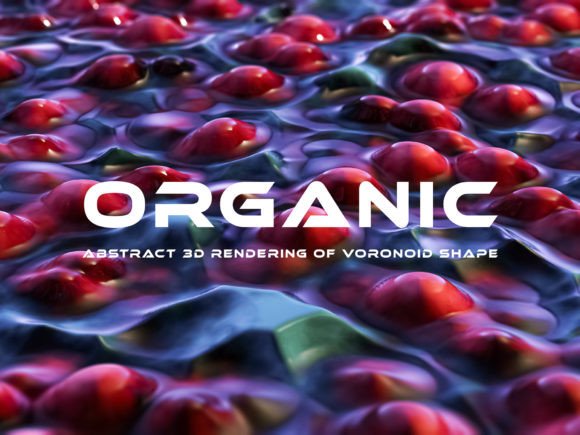
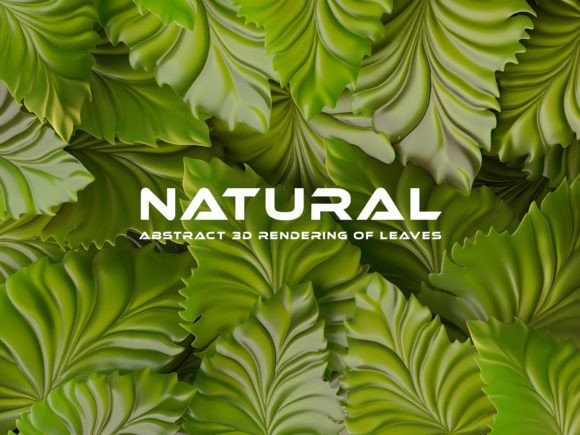
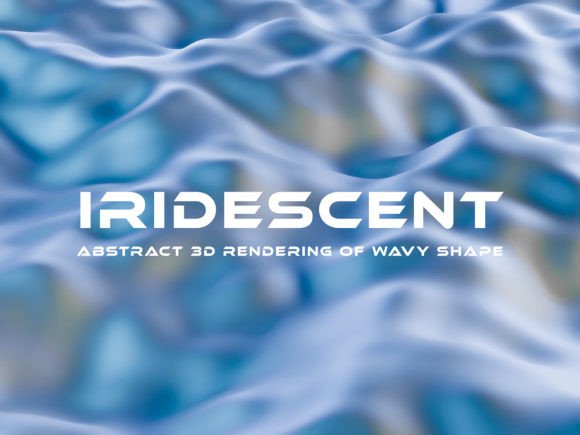
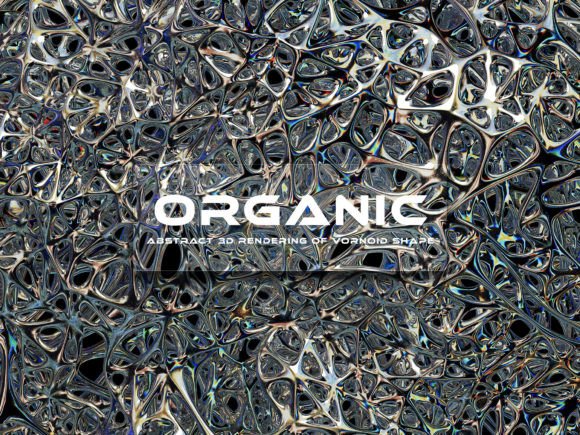
To understand why this asset class is gaining traction, one must first deconstruct its visual components. A 3D Organic Chrome Background combines two distinct stylistic opposites: the rigid, reflective nature of chrome and the fluid, irregular shapes of organic forms.
Traditionally, chrome imagery evokes industrial precision, cold technology, and sterility. Conversely, "organic" shapes suggest growth, nature, softness, and human touch. When merged in a 3D rendering environment, these elements create a tension that is visually arresting. The result is a surface that appears to be made of liquid metal, flowing in unpredictable yet harmonious patterns. The high reflectivity captures light in complex ways, creating highlights and shadows that give the image a palpable sense of weight and volume.
This aesthetic is particularly effective because it feels modern without being overly aggressive. It bridges the gap between the cold efficiency of technology and the warm unpredictability of nature—a duality that many modern brands strive to embody. Whether used in app design, logo presentation, or corporate branding, the 3D organic chrome background offers a premium feel that instantly elevates the perceived value of the content it supports.
Technical Superiority: Why Resolution and Color Space Matter
Not all digital backgrounds are created equal. The relevance of a 3D Organic Chrome Background is heavily dependent on its technical specifications. For professionals working across multiple mediums—from web interfaces to billboard advertisements—asset versatility is paramount. The standard provided here, with dimensions of 6000 w X 4000 h px, ensures that the image retains its clarity even when scaled up significantly.
The Importance of 300 DPI for Print
One of the most significant advantages of utilizing a high-resolution 3D background is its suitability for print media. Many designers struggle to find digital assets that look good on screen but fail when printed due to pixelation or blurriness. A resolution of 300 dpi is the industry standard for high-quality printing. This density allows for sharp edges and smooth gradients, which are crucial when rendering the subtle reflections of chrome. Whether you are designing a flyer, a poster, or a presentation slide that will be projected or printed, this resolution guarantees that the intricate details of the 3D render remain intact.
RGB vs. CMYK in Digital Workflows
The specification notes an RGB color space, which is ideal for digital applications. RGB (Red, Green, Blue) is the additive color model used for screens, offering a wider gamut of vibrant colors compared to the subtractive CMYK model used in printing. By providing the asset in RGB, designers have the flexibility to use it directly in websites, social media stories, and TV ads without immediate conversion issues. While professional printers may require a CMYK conversion for final output, starting with a high-quality RGB master ensures that the brightest highlights and deepest blacks are preserved during the initial creative phase.
Strategic Applications Across Industries
The versatility of the 3D Organic Chrome Background makes it a valuable tool across various sectors. Its ability to adapt to different contexts allows it to function as a neutral yet striking canvas that directs attention to the foreground elements, such as logos or product shots.
- Advertising and Marketing: In the crowded space of digital advertising, stopping the scroll is difficult. A dynamic, metallic background catches the eye through its contrast and light play. It is particularly effective for banners, landing pages, and social media ads where visual impact drives click-through rates.
- Corporate Presentations: PowerPoint decks often suffer from generic templates. Using a custom 3D background can immediately signal innovation and sophistication. It provides a professional backdrop for logotypes and data visualizations, ensuring that text remains readable while the overall aesthetic feels cutting-edge.
- Product Packaging: For consumer goods, packaging design is the first point of contact. The metallic sheen of chrome suggests luxury and durability. Integrating organic chrome elements into packaging designs can help products stand out on shelves, appealing to consumers who associate metallic finishes with high quality.
- App and UI Design: As mobile interfaces evolve, flat design is giving way to more textured, glassmorphic, and 3D elements. A 3D organic chrome background can serve as a dynamic wallpaper or a loading screen element, enhancing user engagement through motion and depth.
Trends Driving the Demand for 3D Assets
The surge in popularity of assets like the 3D Organic Chrome Background is not accidental. It reflects broader shifts in consumer preferences and technological capabilities. We are living in an era of "sensory digitalism," where users expect online experiences to mimic the tactile richness of the physical world. This trend is driven by advancements in hardware, such as OLED screens that can display deep blacks and vibrant colors, and software tools that make 3D rendering accessible to non-specialists.
Furthermore, there is a growing preference for authenticity mixed with futurism. Consumers are drawn to brands that appear innovative but also grounded. The organic aspect of the chrome background satisfies the desire for natural, relatable forms, while the chrome finish signals technological prowess. This balance is crucial for brands operating in tech, finance, and lifestyle sectors, where trust and innovation are key selling points.
Practical Considerations for Implementation
While the potential of a 3D Organic Chrome Background is vast, successful implementation requires thoughtful integration. Designers must consider contrast and legibility. Because chrome surfaces are highly reflective, they can sometimes compete with foreground text or logos. To mitigate this, it is advisable to use solid-colored overlays or adjust the opacity of the background layer to ensure readability.
Additionally, animation can enhance the static nature of a PNG or JPG background. In video production, such as TV ads or motion graphics, introducing subtle movement to the organic shapes can create a mesmerizing effect. The flow of the liquid metal can guide the viewer’s eye toward key messages or calls to action.
Conclusion
The 3D Organic Chrome Background is more than just a trendy visual style; it is a functional design asset that addresses the modern need for high-impact, versatile, and technically superior imagery. Its combination of aesthetic appeal, technical robustness (6000x4000 px, 300 dpi, RGB), and broad applicability makes it an invaluable resource for professionals across industries.
As the boundary between digital and physical design continues to blur, having access to high-quality 3D assets will differentiate successful brands from the rest. By leveraging the depth, texture, and modern allure of organic chrome, creators can craft narratives that are not only seen but felt. Whether you are launching a new product, refreshing your corporate identity, or designing an immersive digital experience, integrating this type of background can provide the visual edge needed to captivate your audience.
Good luck using the file in your projects, and remember that the best designs are those that seamlessly blend technical excellence with creative vision.