Elevate Your Visual Identity with Abstract Organic 3D Backgrounds
In the rapidly evolving landscape of digital design, static imagery is no longer enough to capture attention. Audiences are conditioned to expect depth, movement, and tactile realism. This is where Abstract Organic 3D Background assets have emerged as a critical tool for modern creators. Whether you are a graphic designer crafting a brand identity, a marketing specialist preparing a high-stakes presentation, or a developer building a landing page, the right background can make or break the user experience.
These backgrounds are not merely decorative; they serve as a foundational layer that sets the tone for your entire project. By leveraging the fluidity of organic shapes combined with the precision of three-dimensional rendering, designers can create visuals that feel both natural and futuristic. The following guide explores why these specific visual assets are becoming indispensable in professional workflows and how you can effectively utilize them.
The Power of Organic Forms in Digital Design
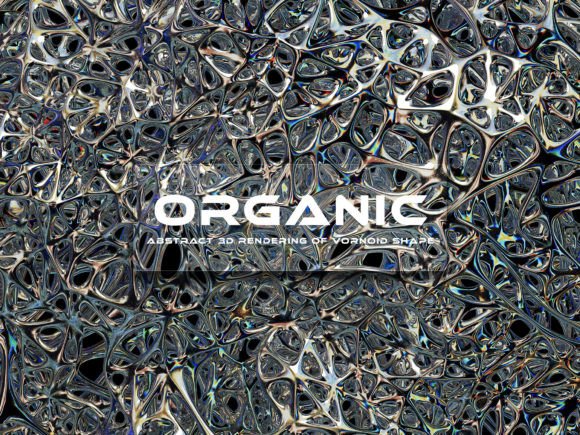
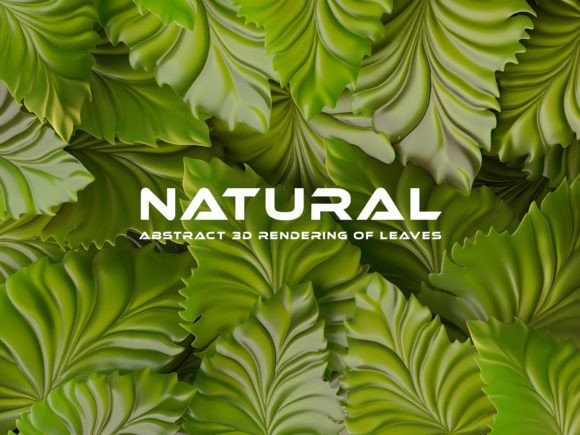
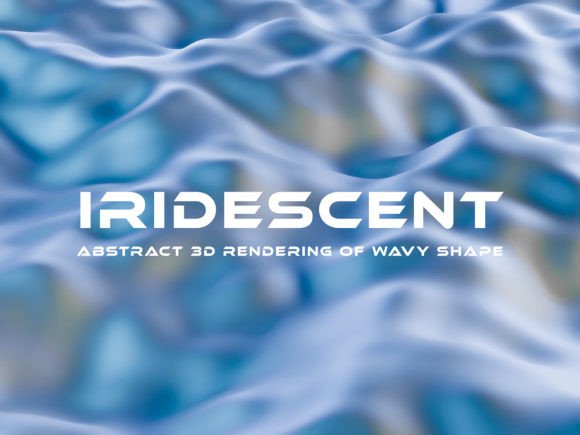
To understand the value of an Abstract Organic 3D Background, one must first appreciate the psychology of shape. Geometric forms—squares, triangles, and perfect circles—convey stability, logic, and structure. In contrast, organic shapes are irregular, flowing, and biomorphic. They mimic the forms found in nature: the curve of a leaf, the ripple of water, or the smoothness of a stone.
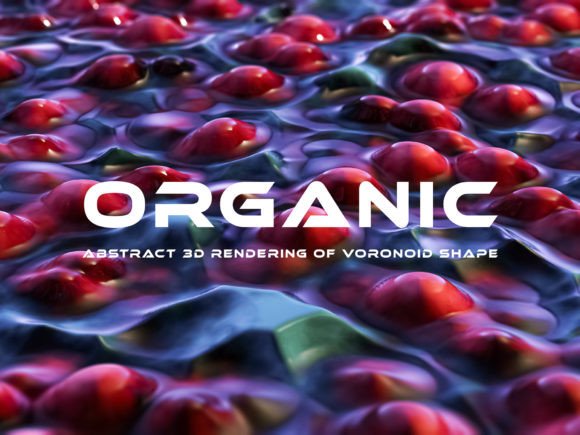
When these organic forms are rendered in 3D, they gain volume, shadow, and light interaction. This combination creates a sense of tangible reality. For brands looking to convey innovation, creativity, and human-centric values, this aesthetic is particularly powerful. It softens the harshness of technology while maintaining a sophisticated, high-tech edge. Unlike rigid corporate templates, an abstract organic background invites the viewer’s eye to wander, creating a subconscious feeling of calm and engagement.
Versatility Across Multiple Media Formats
One of the primary reasons professionals are flocking to these assets is their sheer versatility. A single high-quality file can be repurposed across dozens of different mediums without losing its impact. Let’s look at how an Abstract Organic 3D Background fits into various practical scenarios.
Digital Presence and Web Design
Websites today are moving away from flat, two-dimensional layouts toward immersive experiences. Using a 3D organic background on a landing page can significantly reduce bounce rates by keeping users engaged. Because these images are often generated at high resolutions, they scale beautifully on retina displays and large monitors. Furthermore, when used subtly behind text or call-to-action buttons, they provide just enough visual interest to prevent the interface from feeling sterile, without distracting from the core message.
Corporate Presentations and Pitch Decks
Imagine presenting a new product launch or a quarterly report. A slide deck filled with plain white or gray backgrounds can feel dull and uninspiring. By applying an Abstract Organic 3D Background to your master slide, you instantly elevate the perceived value of your content. The flowing lines can guide the audience’s eye toward key data points or logos. It transforms a standard PowerPoint into a cinematic experience, helping you hold the room’s attention from start to finish.
Advertising and Social Media Campaigns
In the crowded space of social media advertising, stopping the scroll is the ultimate goal. Bold, colorful, and textured 3D graphics stand out against the feed. Whether it is a banner ad for an e-commerce site, a story highlight for a mobile app, or a thumbnail for a video tutorial, organic 3D elements add a layer of premium quality. They signal to the consumer that the brand pays attention to detail and invests in high-end aesthetics.
Technical Specifications and Practical Considerations
Not all background files are created equal. When sourcing or utilizing an Abstract Organic 3D Background, technical specifications play a crucial role in the final output. Understanding these details ensures that your project looks sharp, whether it is viewed on a smartphone screen or printed on a massive billboard.
- Resolution and Dimensions: High-fidelity design requires ample pixel data. A dimension of 6000 x 4000 px provides a generous canvas for cropping and resizing. This size allows you to isolate specific sections of the image for use as icons or small accents, while still having a full-screen version available.
- DPI (Dots Per Inch): For any print-related material, such as flyers, posters, or brochures, a resolution of 300 dpi is the industry standard. This ensures that the edges of your organic shapes remain crisp and free from pixelation. If you are working exclusively on web projects, lower DPIs may suffice, but starting with 300 dpi gives you the flexibility to pivot to print later if needed.
- Color Mode: Working in RGB color mode is essential for digital screens. RGB (Red, Green, Blue) produces vibrant, luminous colors that glow on monitors. CMYK is reserved for printing, but many modern printers accept RGB files and convert them internally. However, keeping your source file in RGB ensures that the neon highlights and deep shadows typical of 3D renders appear exactly as intended on digital platforms.
Integrating Logos and Typography
A common challenge when using complex backgrounds is ensuring that foreground elements remain legible. An Abstract Organic 3D Background can sometimes be visually busy. To mitigate this, consider the following strategies:
- Contrast is Key: Use solid-colored overlays or frosted glass effects (blur) behind your text boxes. This separates your typography from the intricate details of the background.
- Strategic Placement: Position your logo or main headline in areas of the background that have softer gradients or less intense lighting. Avoid placing critical information over dark shadows or bright specular highlights unless you are using contrasting text colors.
- Simplicity in Foreground: Let the background do the heavy lifting. Keep your fonts clean, sans-serif, and minimal. The complexity of the organic 3D shapes will complement simple, bold typography rather than competing with it.
Why Choose Abstract Organic Over Other Styles?
You might wonder why you should choose an organic 3D style over other trending aesthetics like brutalism, minimalism, or retro gradients. The answer lies in adaptability. Organic 3D backgrounds are neutral enough to fit almost any industry but unique enough to stand out.
For tech companies, they suggest innovation and fluidity. For wellness brands, they evoke health and natural balance. For creative agencies, they demonstrate artistic flair. This chameleon-like quality makes them a safe yet striking choice for businesses that want to appear modern without being overly niche. Additionally, because 3D rendering technology continues to advance, these backgrounds look cutting-edge today and will likely remain stylish for years to come, unlike some fleeting trend-based designs.
Maximizing Value in Your Projects
Getting your hands on a high-quality asset is only half the battle. To truly get the most out of your Abstract Organic 3D Background, treat it as a dynamic element rather than a static image. Experiment with blending modes in your editing software. Try overlaying the background with a slight noise texture to give it a more tactile feel. Or, animate subtle parts of the image if you are creating motion graphics for TV ads or web headers.
Remember that good design is about harmony. The goal is not to show off the background itself, but to use it to enhance the message you are trying to convey. Whether you are designing a font presentation, a logotype, or a comprehensive app interface, let the organic flow of the 3D shapes guide the user’s journey. With dimensions of 6000x4000 pixels and professional-grade resolution, you have the tools necessary to create work that resonates. Good luck using the file in your projects, and remember that the best designs are those that feel effortless, even when they require significant technical effort behind the scenes.