3D Abstract Dispersion Glass- PNG Clipart
In the modern digital landscape, visual impact is not just an aesthetic choice; it is a fundamental component of communication. Whether you are a graphic designer crafting a brand identity, a social media manager seeking to capture attention in a crowded feed, or a small business owner trying to make your packaging stand out on a shelf, the quality of your visual assets matters immensely. One specific category of assets that has gained significant traction among creative professionals is 3D Abstract Dispersion Glass- PNG Clipart. This article explores what these assets are, why they are so versatile, and how they can be effectively integrated into various design projects.
Understanding the Visual Language of 3D Glass
To appreciate the value of 3D Abstract Dispersion Glass- PNG Clipart, it is helpful to first understand the visual psychology behind glass textures. Glass represents transparency, clarity, fragility, and premium quality. When rendered in three dimensions with dispersion effects—where light refracts, reflects, and breaks apart—the image evokes a sense of movement, energy, and sophistication. Unlike flat illustrations, 3D elements add depth and realism, allowing them to blend seamlessly into complex compositions without looking pasted on.
The term "dispersion" specifically refers to the way light splits when passing through a medium, creating prismatic effects, sparkles, and scattered fragments. In digital art, this translates to high-contrast highlights, soft shadows, and intricate refraction patterns. These details require significant computational power to render correctly, which is why pre-made, high-quality clipart is such a valuable resource for creators who need professional results quickly.
Key Features of the Asset Kit
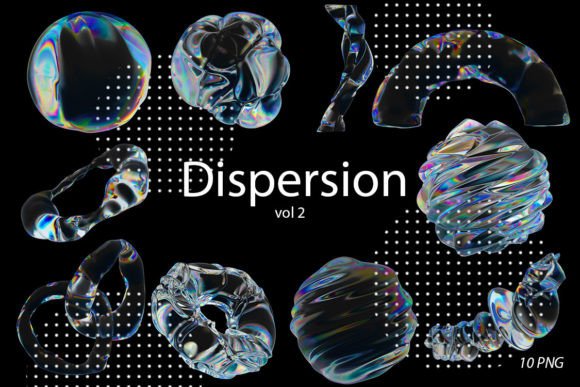
When evaluating a pack of 3D Abstract Dispersion Glass- PNG Clipart, several technical specifications determine its usability and professional grade. The standard kit typically includes ten distinct glass objects, each meticulously crafted to ensure versatility. Below are the core features that define this type of asset:
- High Resolution (300 DPI): One of the most critical aspects of any print-ready asset is its resolution. A density of 300 dots per inch ensures that the glass objects remain sharp and clear whether viewed on a smartphone screen or printed on a large-format poster. Low-resolution images often appear pixelated or blurry when scaled up, detracting from the perceived quality of the final design.
- Transparent Backgrounds: The inclusion of transparent backgrounds is essential for workflow efficiency. Designers do not need to spend time manually removing white or colored backdrops using masking tools. This feature allows for immediate layering over any background color, texture, or photograph, saving hours of editing time.
- Realistic Lighting and Refraction: High-quality 3D renders simulate real-world physics. The glass pieces should exhibit accurate light bending, specular highlights, and subsurface scattering effects. This realism helps the clipart integrate naturally into scenes, making designs look polished and expensive.
- Format Consistency: Providing all assets in a single zip file ensures easy organization and access. Having everything in one place reduces clutter and makes it easier to browse through options during the creative process.
Versatile Applications Across Industries
The beauty of 3D Abstract Dispersion Glass- PNG Clipart lies in its adaptability. Because glass is a neutral yet striking material, it complements a wide range of styles and industries. Here is how different user groups can leverage these assets:
Social Media Content Creation
For Instagram posts, stories, and Pinterest pins, visual novelty is key. Algorithms favor content that stops the scroll. Using dispersion glass elements as overlays or framing devices can draw the eye toward text or product images. For example, placing a shattered glass effect around a promotional quote can emphasize urgency or excitement. Similarly, using smooth, flowing glass curves can add a touch of elegance to lifestyle branding posts.
Branding and Logo Design
Brand identities often rely on symbols that convey trust and innovation. Glass elements can serve as abstract representations of clarity and vision. While the clipart itself may not be used directly as a logo due to copyright considerations regarding stock assets, designers often use them as inspiration for custom vector work or incorporate them into secondary brand marks, watermarks, or social media headers.
Print Materials: Posters, Invitations, and Cards
Because the assets are provided at 300 DPI, they are fully suitable for physical printing. Imagine a wedding invitation featuring delicate, frosted glass shards framing the couple’s names, or a concert poster using dynamic glass dispersion to represent sound waves and energy. The tactile illusion created by 3D glass adds a layer of sophistication that flat graphics cannot achieve.
Packaging and Textile Design
In the retail sector, packaging is the first point of contact with the consumer. Glass-inspired designs can suggest purity, luxury, or scientific precision, depending on the context. Cosmetic brands might use sleek glass reflections to imply high-end skincare, while tech companies might use fragmented glass to symbolize cutting-edge innovation. On textiles, these patterns can create unique prints for apparel or accessories, adding a modern, artistic flair.
Mood Boards and Concept Art
Creative directors and interior designers often use mood boards to communicate aesthetic directions to clients. 3D Abstract Dispersion Glass- PNG Clipart serves as an excellent tool for conveying themes of transparency, modernity, or fragility. By dragging and dropping these assets onto a board, designers can instantly visualize how certain materials might interact with light and space.
Evaluating Suitability and Practical Expectations
While 3D Abstract Dispersion Glass- PNG Clipart offers numerous benefits, it is important for users to have realistic expectations regarding what is included and what is not. Understanding these limitations helps prevent frustration and ensures a smoother design process.
What You Get
As noted in the product description, the package contains a single zip file with ten high-resolution PNG files. Each file features a distinct glass object with a transparent background. This variety allows for mixing and matching within a single project, enabling designers to create complex compositions from simple components.
Important Exclusions
It is crucial to note that fonts and mockups are not included. This is a common distinction in digital asset marketplaces. Fonts are intellectual property that usually require separate licensing agreements. Mockups, which are templates showing how a design looks on a physical product (like a phone screen or a t-shirt), are often sold separately because they involve different rendering techniques and file structures. Users should be prepared to source their own typography and create their own presentation layouts, or purchase those assets independently.
Technical Considerations
Even with high-quality PNGs, integration requires care. Designers should pay attention to the lighting direction in the glass assets. If the primary light source in your background image comes from the left, but the glass clipart appears to be lit from the right, the composition will look unnatural. Minor adjustments in brightness, contrast, or overlay modes (such as Multiply or Screen) in software like Photoshop or Canva can help harmonize the lighting and make the glass elements feel like part of the scene.
Conclusion
The demand for high-quality, visually compelling digital assets continues to grow as competition for attention intensifies online and offline. 3D Abstract Dispersion Glass- PNG Clipart provides a powerful solution for designers and creators looking to add depth, realism, and elegance to their work. With its 300 DPI resolution, transparent backgrounds, and versatile aesthetic, this kit supports a wide array of applications, from social media graphics to printed packaging.
By understanding the strengths of these assets—such as their realism and ease of use—and acknowledging their limitations, such as the exclusion of fonts and mockups, users can maximize their potential. Whether you are enhancing a brand’s visual identity, creating engaging social content, or designing stunning print materials, incorporating 3D glass elements can elevate your projects to a new level of professionalism and artistic expression. As technology and design trends evolve, having access to high-fidelity 3D assets will remain a valuable skill set for anyone involved in visual communication.